The Eyebrow Metric: Reading What Your Users Really Think
The best user research happens before you say a word. Spend 80% of the conversation listening. Show a prototype, not a pitch. And above all, watch their eyebrows... they'll tell you more than any survey ever could.
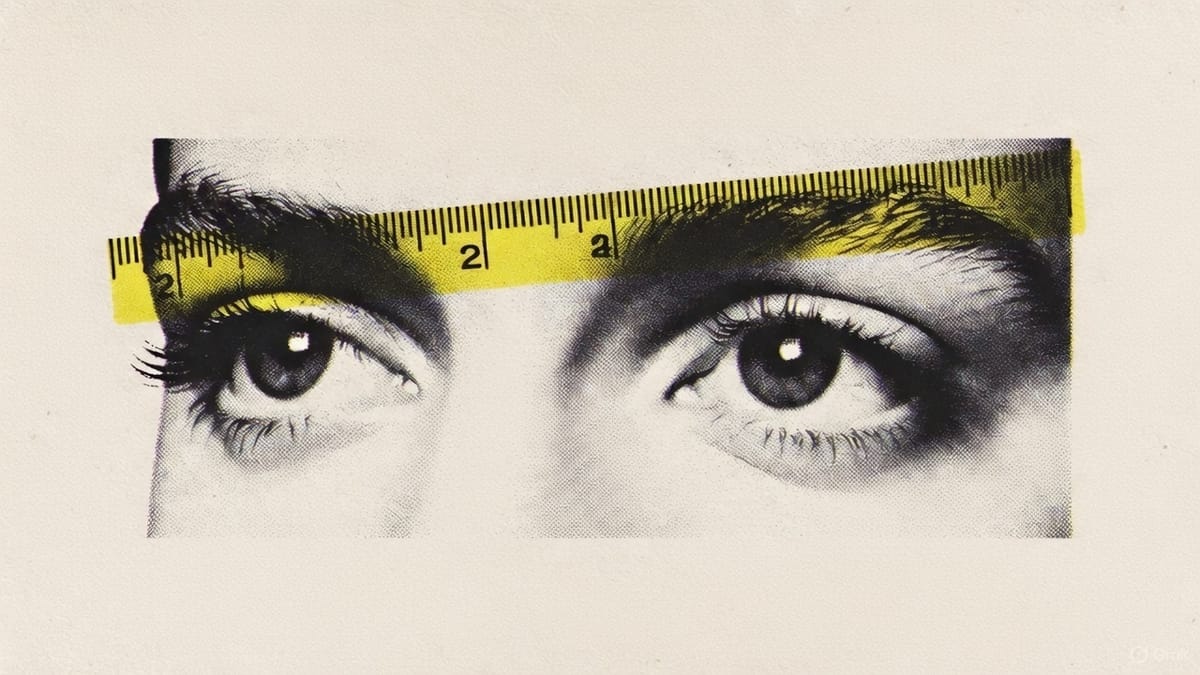
When you're bringing something new into the world, whether it's a product, a service, or an idea, the most important skill you can develop is becoming deeply empathetic with the people you're trying to serve. But empathy isn't just about listening to words. It's about reading the subtle signals that reveal what someone actually thinks and feels.
There's a method to showing your work. And it starts with a radical shift in how you frame these conversations.
Listen First, Pitch Later
Most creators make the same mistake: they lead with their idea. They're excited about what they've built, so they jump straight into explaining it. But that's backwards.
Here's what I recommend instead: dedicate 80% of your customer conversation to listening. That's it. Come with a series of thoughtful questions, and then get out of the way. Let the person talk.
While they're talking, pay close attention to what's happening beyond their words. Watch their posture. Notice when their facial expression shifts. These moments are like breadcrumbs leading you to what actually matters to them.
The Prototype Isn't Done Yet
When you do show them what you've made, show them a prototype. Not a polished final product. A prototype signals that you're open to change, that their feedback is going to shape what comes next. That's the truth of the situation anyway. Why not be honest about it?
Give them as little context as possible. Don't over-explain. Instead, ask them to speak every thought out loud. Whatever they're reading, whatever they're seeing, whatever they're thinking, have them narrate it.
This is harder than it sounds. Most people want to stay quiet and observe. But when you ask them to vocalize their experience in real time, you learn what's actually confusing, what's intuitive, and where they get stuck.
Stuck Isn't Failure
Here's the key insight: if they're stuck and can't proceed, they're not doing it wrong. Their struggle is the interaction. That's real data. Don't dismiss it because you think they should understand it.
If they're truly blocked, you can offer a gentle nudge. But then watch carefully. Pay attention to how they react to the copy, the content, the elements on the screen. If they don't know how to proceed, instead of telling them the answer, ask them what they'd expect to happen next.
This one move (asking instead of telling) reveals so much about how their mind works and what mental model they're bringing to your creation.
The Eyebrow Metric: Reading the Real Signal
Now here's the thing I really want you to understand: what they say is important, but it's not the most important part of your time together.
The most important part is what I call the eyebrow metric.
These tiny, involuntary movements are more honest than anything they'll say. Their eyebrows tell you what they actually think about your work.
This is where the magic lives. Not in the feature requests or the feedback they articulate, but in those micro-expressions that reveal genuine emotion.
Finding the Magic (and the Friction)
Your job is to hunt for these moments. Note the curls and furrows. Really try to find those instances where their eyebrows raise; where you see authentic excitement or delight wash across their face. Those are the moments you're building toward.
But here's the truth: you might not find them on the first test. That's okay. If you haven't found genuine excitement yet, shift your attention to the frustrations. Where are they struggling? Where do you see the furrow?
Those friction points are actually gifts. If you can address even one of those frustrations in your next iteration, the result could be revealing. You might see that eyebrow raise you've been looking for.
Next Time You're Testing
The next time you put your work in front of someone, next time you test a prototype with a current or prospective user, try this. Drop the pitch. Ask better questions. Listen for 80% of the conversation. And watch their eyebrows.
Pay attention to those subtle movements. They'll tell you more about whether you're on the right track than any survey or feedback form ever could.
Let me know how it goes.